
 Home
Home
 Courses
 IT Services
 My Course
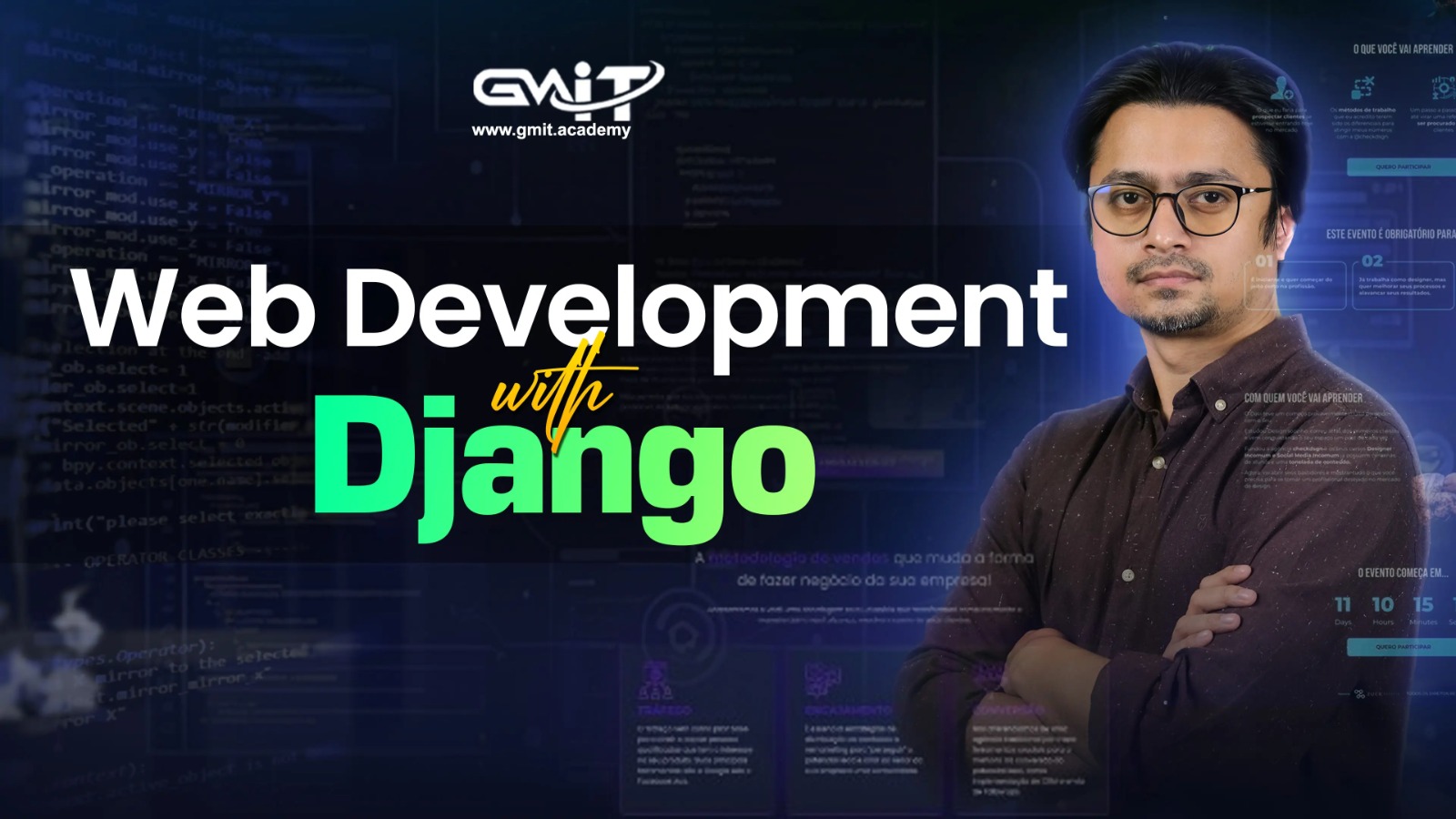
Web Development with Pyhon/Django
16000.00
জব প্লেসমেন্ট সাপোর্ট
ক্লাস রেকর্ডিং ও লাইফটাইম এক্সেস
Coming soon!
Course Overview
Everything you need to know before enrolling
Introduction to Django: Overview of the Django framework, its features, and its advantages for building robust, scalable web applications. The architecture of a Django application (models, views, templates). Setting up Django environment (installation, dependencies). Understanding the MVT Architecture: The Django project structure (settings, URLs, views, templates, models, static files). Explanation of Models (database structure, ORM in Django). How Views control the logic and interact with the models. Templates for rendering HTML with dynamic data. Database Management with Django ORM: How to define models (tables) using Django’s ORM (Object-Relational Mapping). Writing queries to interact with the database, including filtering, sorting, and searching. Managing database migrations. Working with Forms: Creating and processing HTML forms in Django. Form validation and handling user inputs securely. Using Django’s built-in forms to create user interfaces. Authentication and Authorization: Implementing user login, registration, and password management. Role-based access control with Django’s authentication system. Setting up user profiles and handling permissions. Working with URLs and Views: URL routing system in Django. Handling dynamic URLs and passing parameters to views. Using Class-Based Views (CBVs) vs Function-Based Views (FBVs). Template Engine: Using Django’s template language to render dynamic content. Template inheritance and reusable components. Working with filters, loops, and conditionals in templates. Admin Interface: Customizing the Django admin panel. Registering models with the admin interface for easy content management.
কোর্সে যা শিখবেন
আপনি এই কোর্সে নিম্নলিখিত বিষয়গুলো শিখবেন
কোর্স কারিকুলাম
কারিকুলাম সম্পর্কে যা জানতে হবে
No Topics yet
কোর্সে আপনি পাচ্ছেন
৩ মাসের প্রাইভেট জার্নি
3 months private journey
লাইভ ক্লাস
Live Class
লাইফটাইম এক্সেস
Lifetime access
ইন্টার্নশিপ
Internship
প্রবলেম সলিউশন ক্লাস
Problem Solution Class
লাইভ ক্লাস বা এক্সট্রা ক্লাস
Live Class and Extra Class
ডে-লং ওয়ার্কশপ
Day Long Workshop
প্রোগ্রেস ট্র্যাকিং
Progress Tracking
সার্টিফিকেট এবং এরিয়া ভিত্তিক গেট টুগেদার
Certificate and area based get together
কোর্স ইন্সট্রাক্টর
Students Reviews
What our happy Student says!
Our Student's Video
Reviews
See Our Student's Video Reviews
সার্টিফিকেট
কোর্সটি সফলভাবে শেষ করলে আপনার জন্য আছে সার্টিফিকেট যা আপনি আপনার সিভিতে যোগ করতে পারবেন

জিএম আইটি প্রোমোটার


Bidya Sinha Mim
Shakib Khan
Litton Das
